

Kalle Erkkilä
Designer and multidisciplinary creator
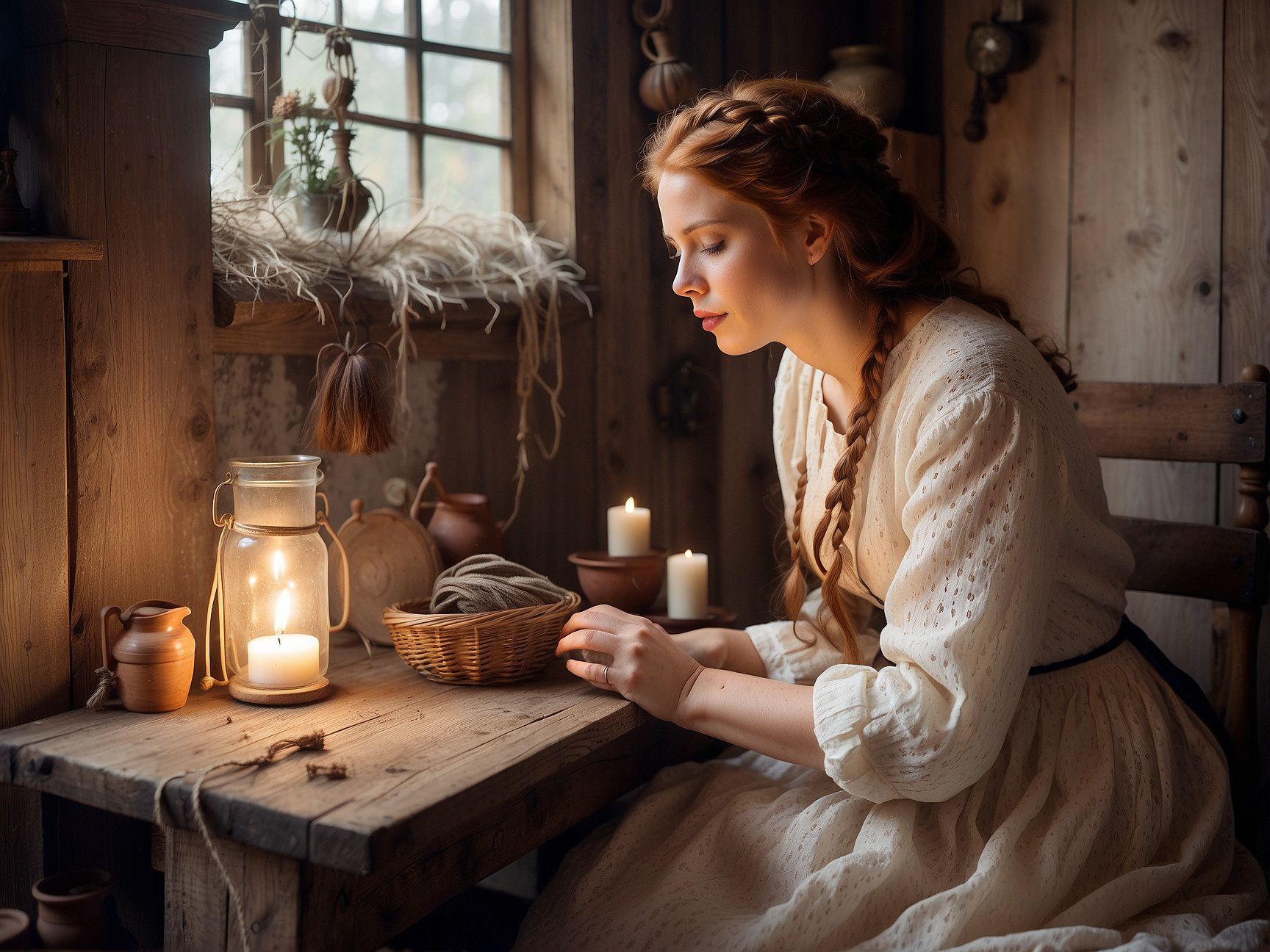
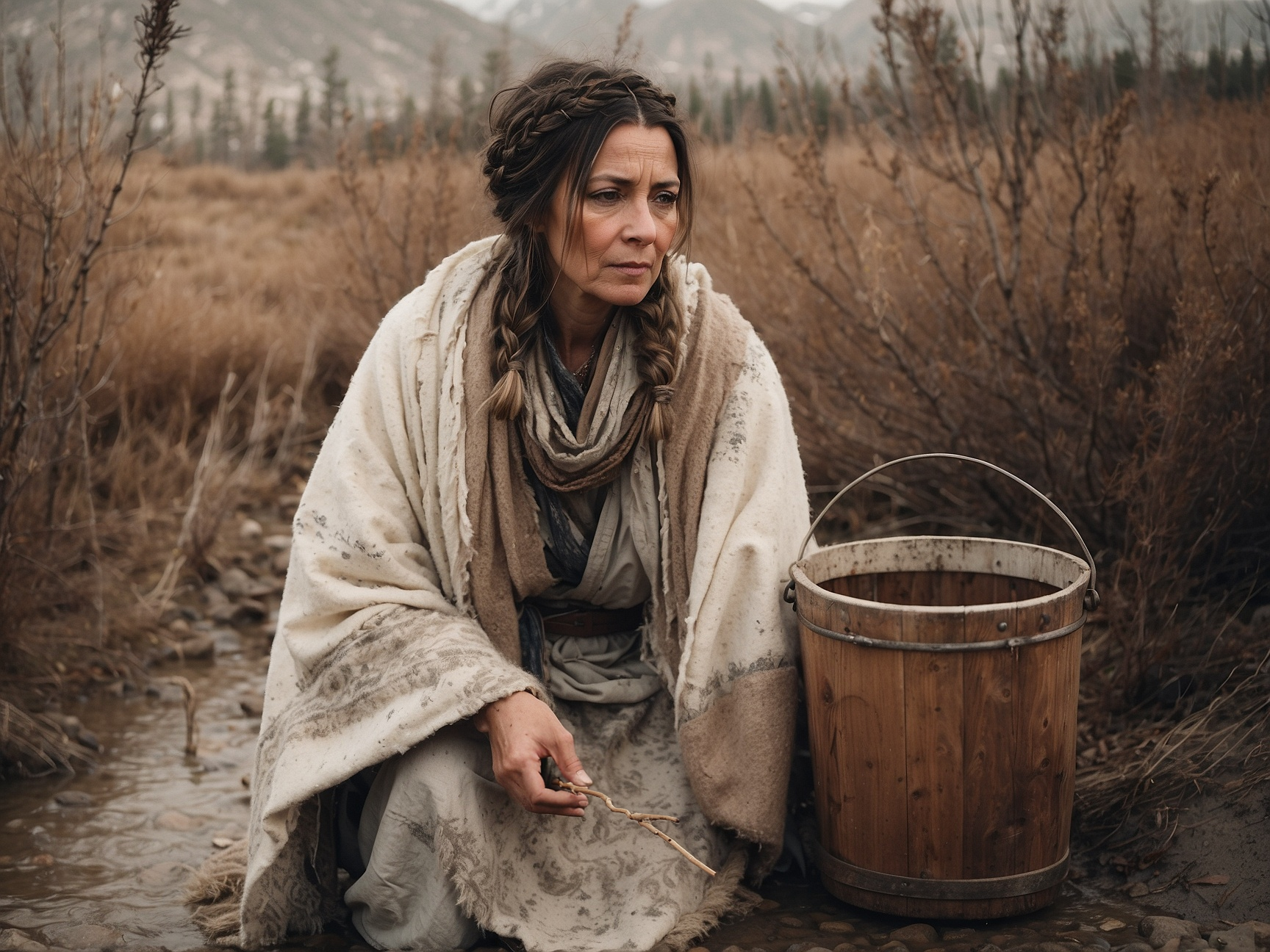
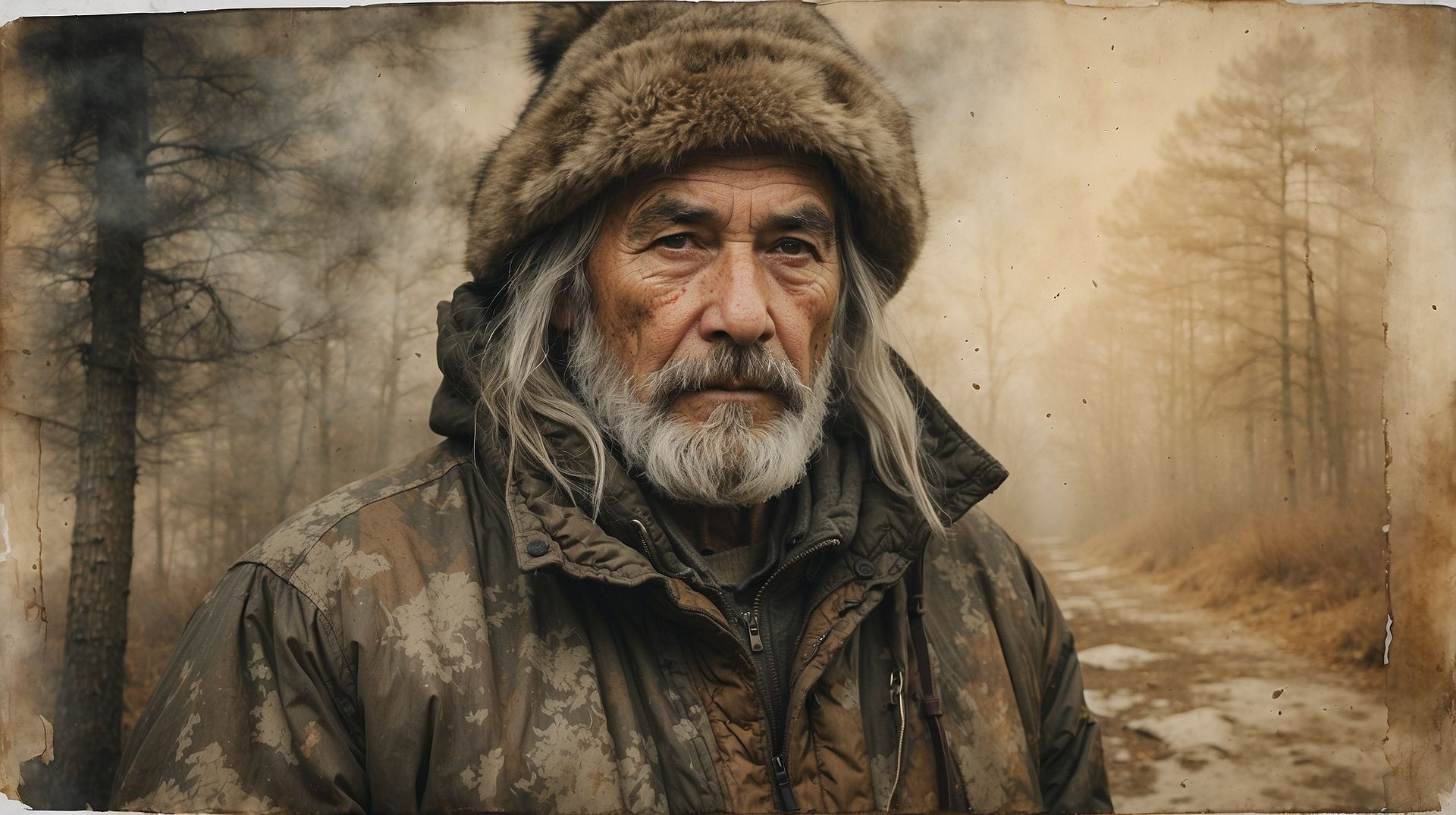
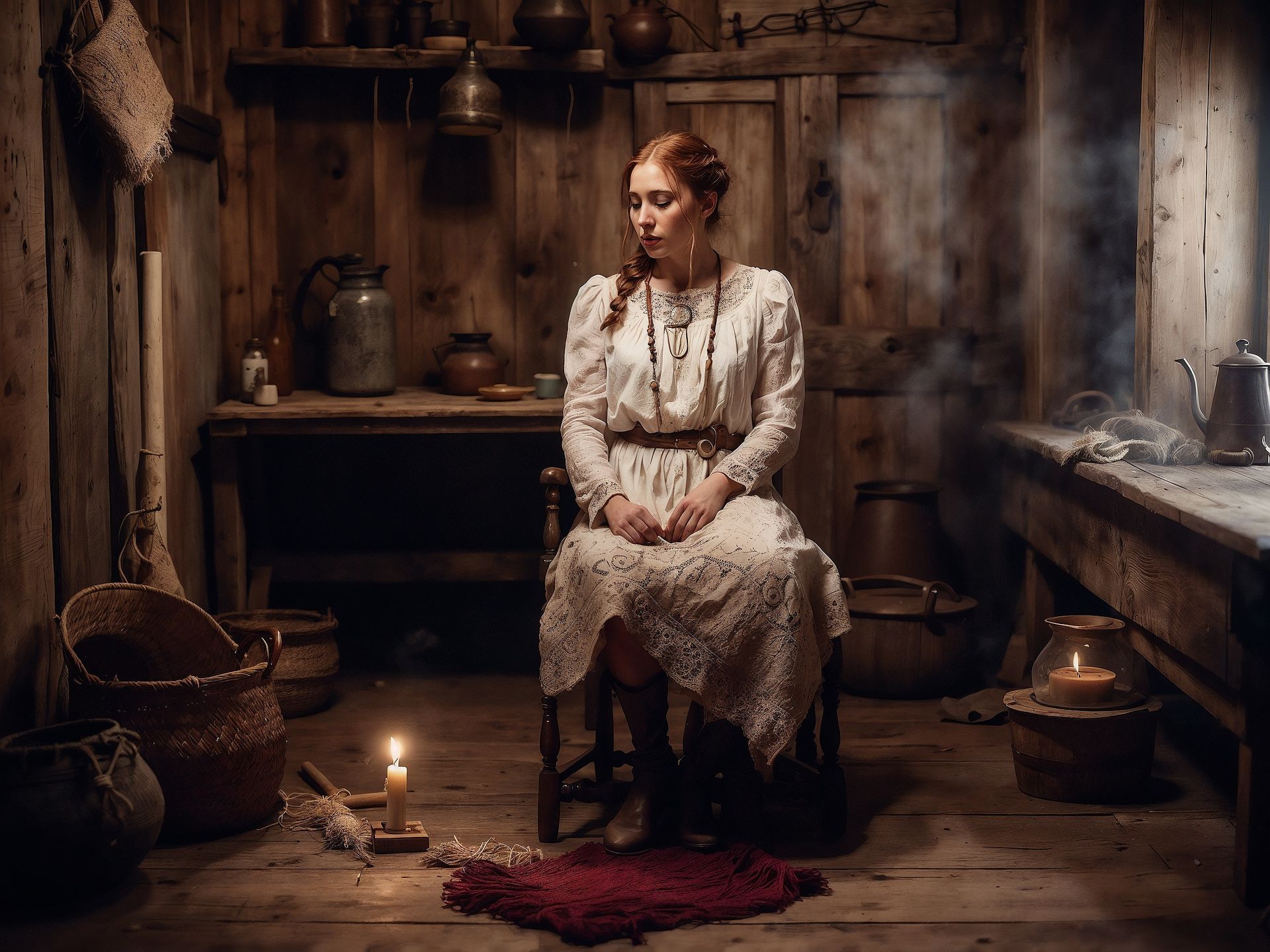
I’m a creator from the North, working across design, illustration, animation, storytelling, and AI-driven creative experiments.
This site showcases a selection of my personal projects — from visual worlds and character concepts to new explorations in music, speech, and atmospheric sound.
While the focus here is on independent work, my background also includes collaborations with local Finnish institutions and well-known global brands.

EmotionEngine
EmotionEngine is my ongoing exploration of how emotion can become a more deliberate part of digital creative work.
It began with music, speech, and sound: experiments in making digitally generated performances feel less generic and more intentional, expressive, atmospheric, and human.
Since then, the idea has grown considerably.
Today I use EmotionEngine across music, voice, storytelling, characters, images, and video. Rather than treating these as isolated outputs, I am exploring ways for emotion, personality, relationships, atmosphere, and story to remain coherent as a creative idea moves from one medium to another.
AI is an important part of the process, but EmotionEngine is not simply an AI content-generation project. I think of AI and other digital tools more like creative instruments: things that can be guided, shaped, combined, and sometimes given enough freedom to produce something unexpected.
The aim is not perfect control. In fact, some of the most interesting results happen when structure and controlled uncertainty meet.
What matters is the outcome: a voice that seems to belong to someone, music that carries an emotional trajectory, characters whose relationships feel believable, or an image that suggests a story before anything has been explained.
EmotionEngine is also increasingly becoming a way to build story worlds. Characters, music, spoken performance, visual language, atmosphere, and narrative can influence one another instead of being designed independently.
The work is still evolving. I am continuing to test what happens when emotion is treated not merely as decoration added at the end, but as part of the creative structure from the beginning.
The examples here are snapshots from that process — songs, voices, characters, visual experiments, and fragments of stories being built with EmotionEngine.
You can follow the ongoing work on X:
@EmotionEngineAI
Mary's Lament
I used EmotionEngine to compose a piece that explores the grief Mary may have felt as she faced the approaching sacrifice of her son, Jesus Christ, for mankind.
The music draws on instruments associated with the ancient world, and the lyrics are sung in Aramaic—the language Mary and Jesus would likely have used in everyday life.
The piece is intended not simply as a historical reconstruction, but as an emotional reflection on a mother facing a sorrow almost beyond comprehension.
Not On My Watch
is a playful EmotionEngine experiment inspired by the story of young David searching for a lost sheep.
The piece is structured like a children’s television segment, with an adult voice and children singing together as the story unfolds. I used a modified version of EE Speech to shape the spoken and sung performances, aiming for something lively, warm, and believable rather than simply generating a conventional children’s song.
Behind the playful presentation is a simple idea that already hints at David’s character: even as a boy, he takes responsibility for those placed in his care.
CLUB’d — Live at Estadio Azteca, Mexico City
CLUB’d is an EmotionEngine music experiment built around the feeling of a large live performance rather than a conventional studio track.
Created in Suno 5.5 and guided with EmotionEngine, the piece explores how vocal expression, crowd energy, rhythmic movement, performance character, and human–instrument hybrid timbres can interact inside a single live-feeling musical environment.
The aim was not simply to make an energetic club track, but to make the performance feel present—as though the singer, audience, instruments, and atmosphere are responding to one another in real time.
The track also became an important test bed for EE’s work with hybrid sound identities, instrument merging, and guided emergent behavior.
It was created directly inside Suno without Suno Studio, DAW editing, filters, audio uploads, plug-ins, or traditional prompt engineering, making it a useful snapshot of what EmotionEngine could already produce inside the generative environment itself.
Apostle John reads the opening of Genesis
This EmotionEngine Speech performance explores calm authority, restrained emotion, natural pacing and long-form character voice continuity.
The reading is based on Genesis 1 from the Septuagint, presented in Greek.
An EmotionEngine experiment in expressive narration and character performance.
BLOG

MUSIC
Music has always been a part of how I process emotion, memory, and imagination. This gallery features soundscapes I’ve created. Each piece capturing a moment, a feeling, or a fragment of a story that words couldn’t hold.
Elämäni Polku (The Path of My Life)
While my father was fighting for his life unconscious in the hospital, I felt powerless. The situation drew my thoughts back across the decades.
I began writing a song—about the time when I was a child and a teenager, when my parents and others were still young.
This became my way of processing loss.
The song, Elämäni Polku (The Path of My Life), isn't about my own or my parents’ lives specifically, but echoes of memories—perhaps even shared, collective ones—from a time gone by.
Each listener brings their own experience to it. We’ve all faced loss, and I hope the song offers some small comfort.
This year marks ten years since my mother passed away. I dedicate this song to the memory of my mother and father.
Length 3:45
June 2025
FINNS
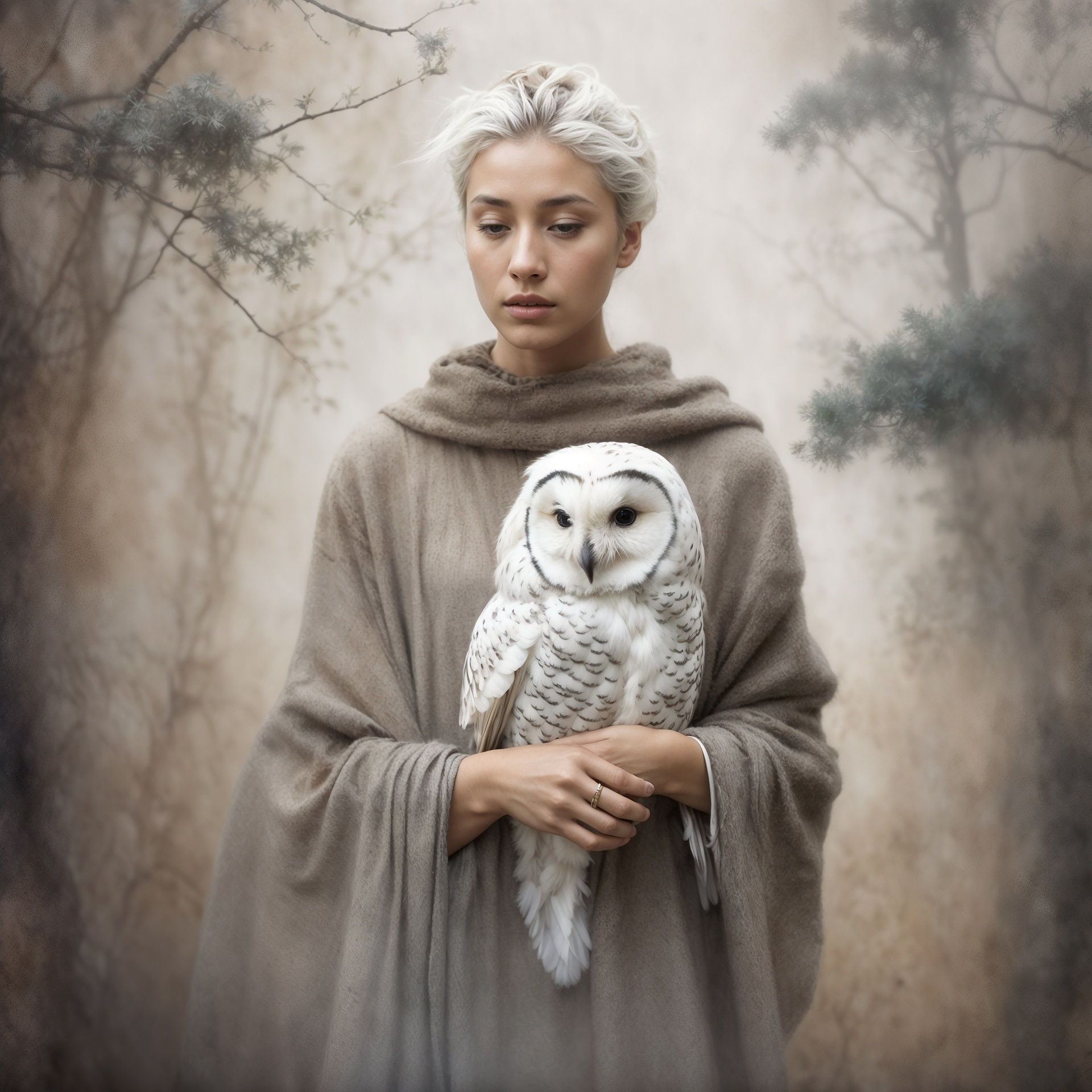
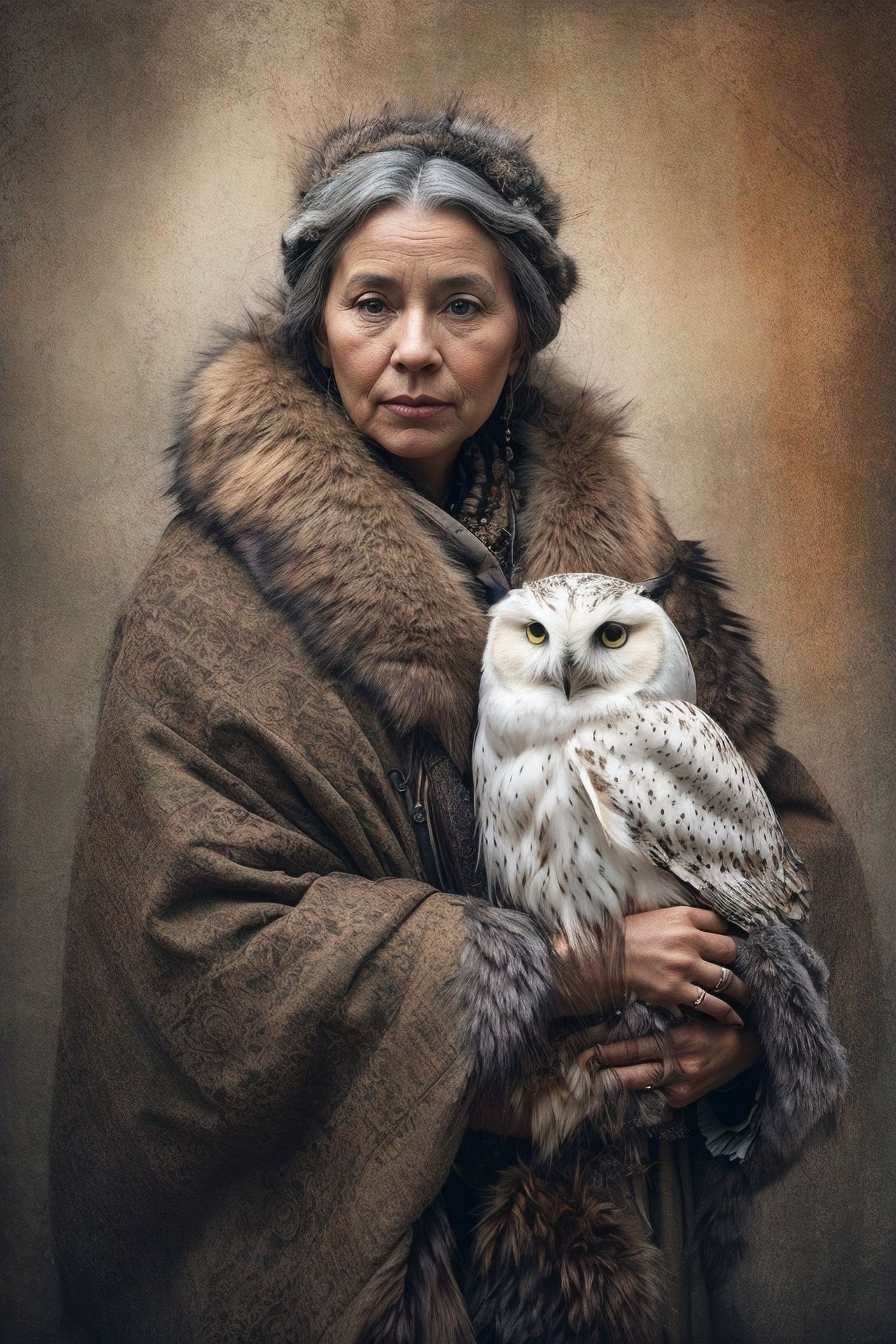
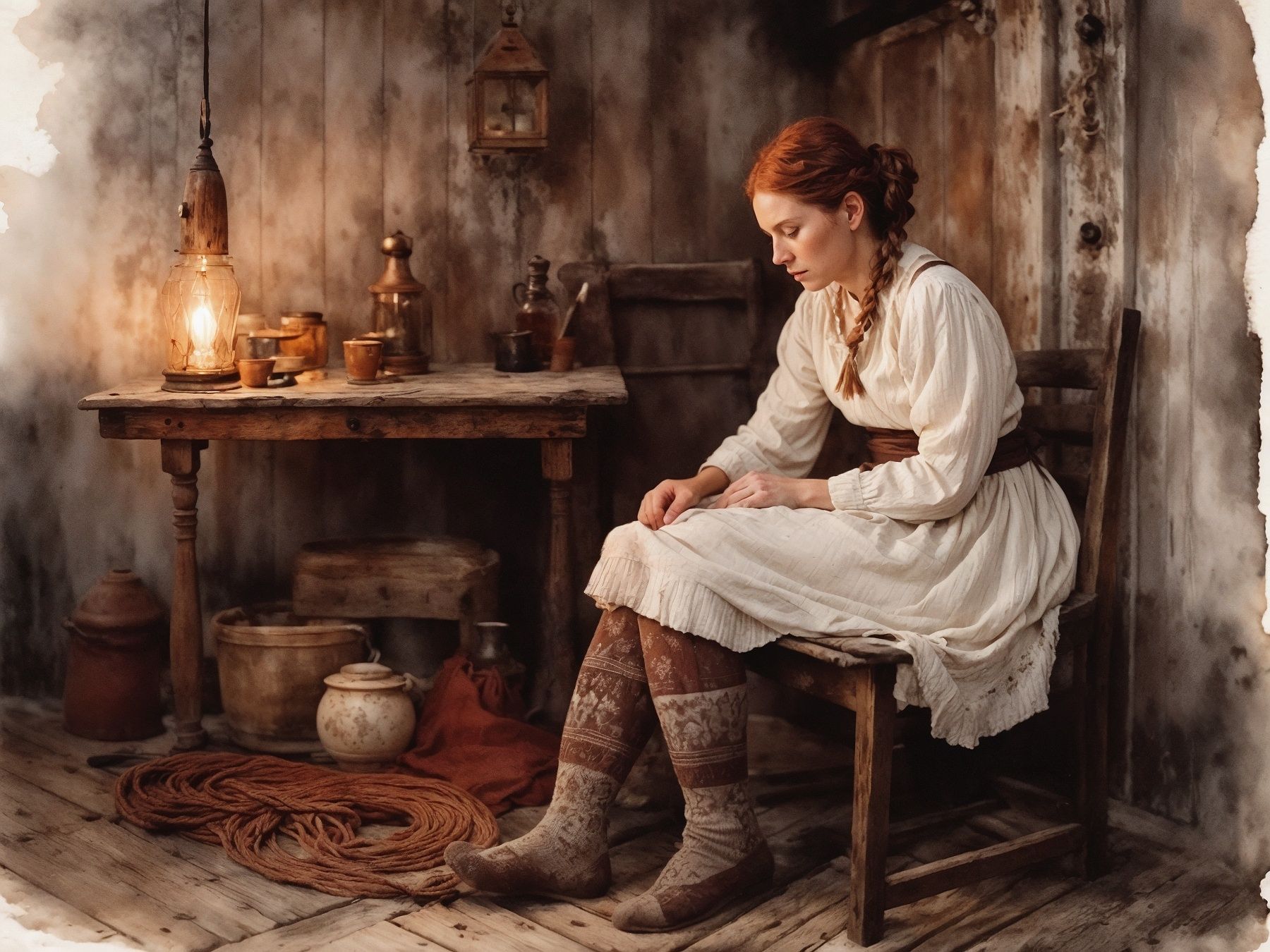
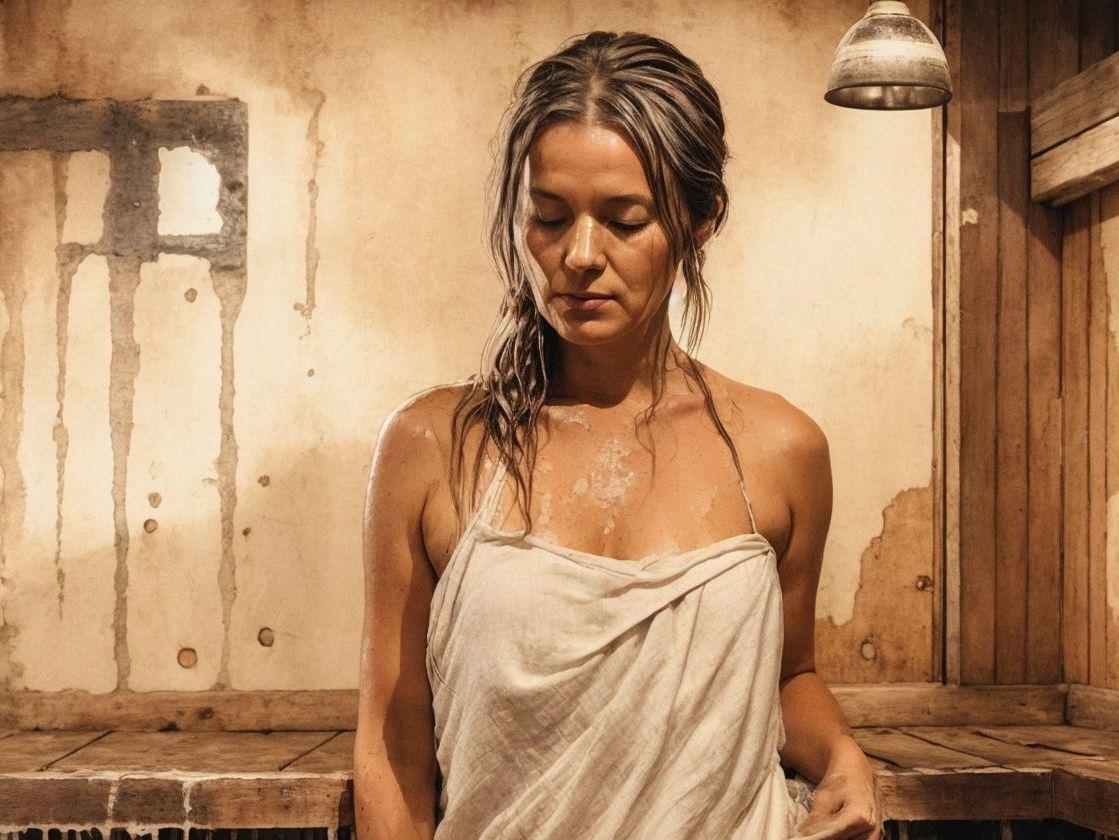
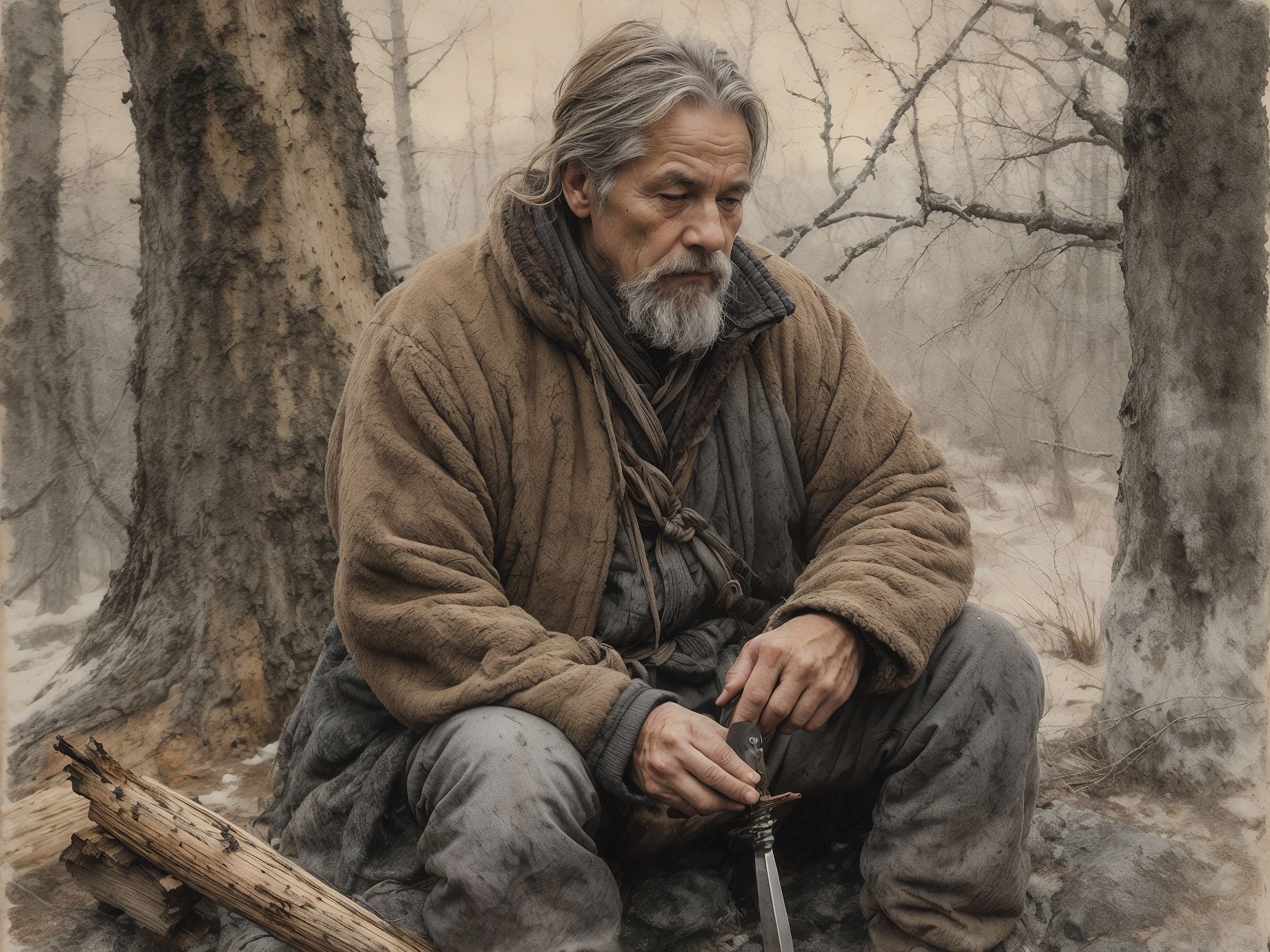
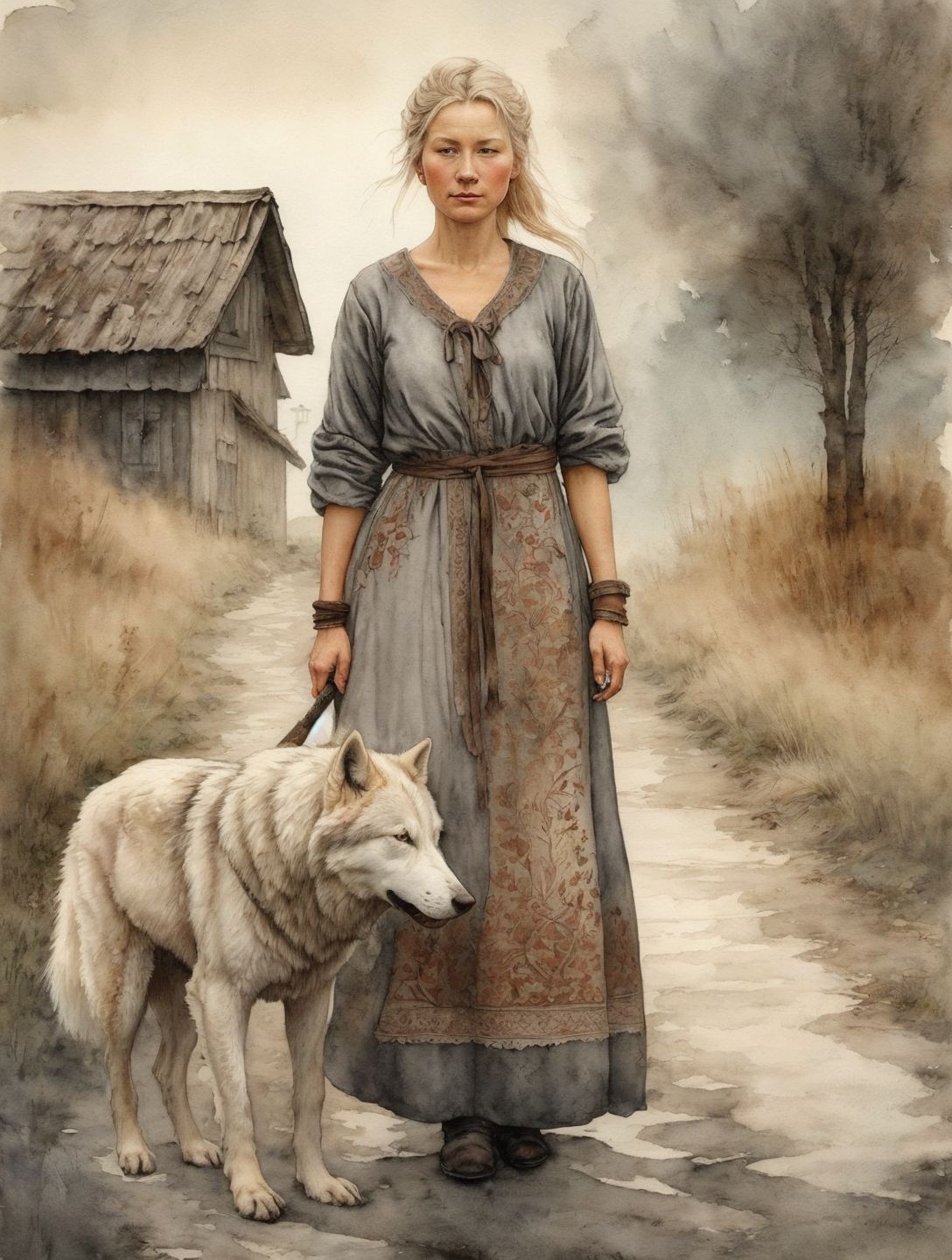
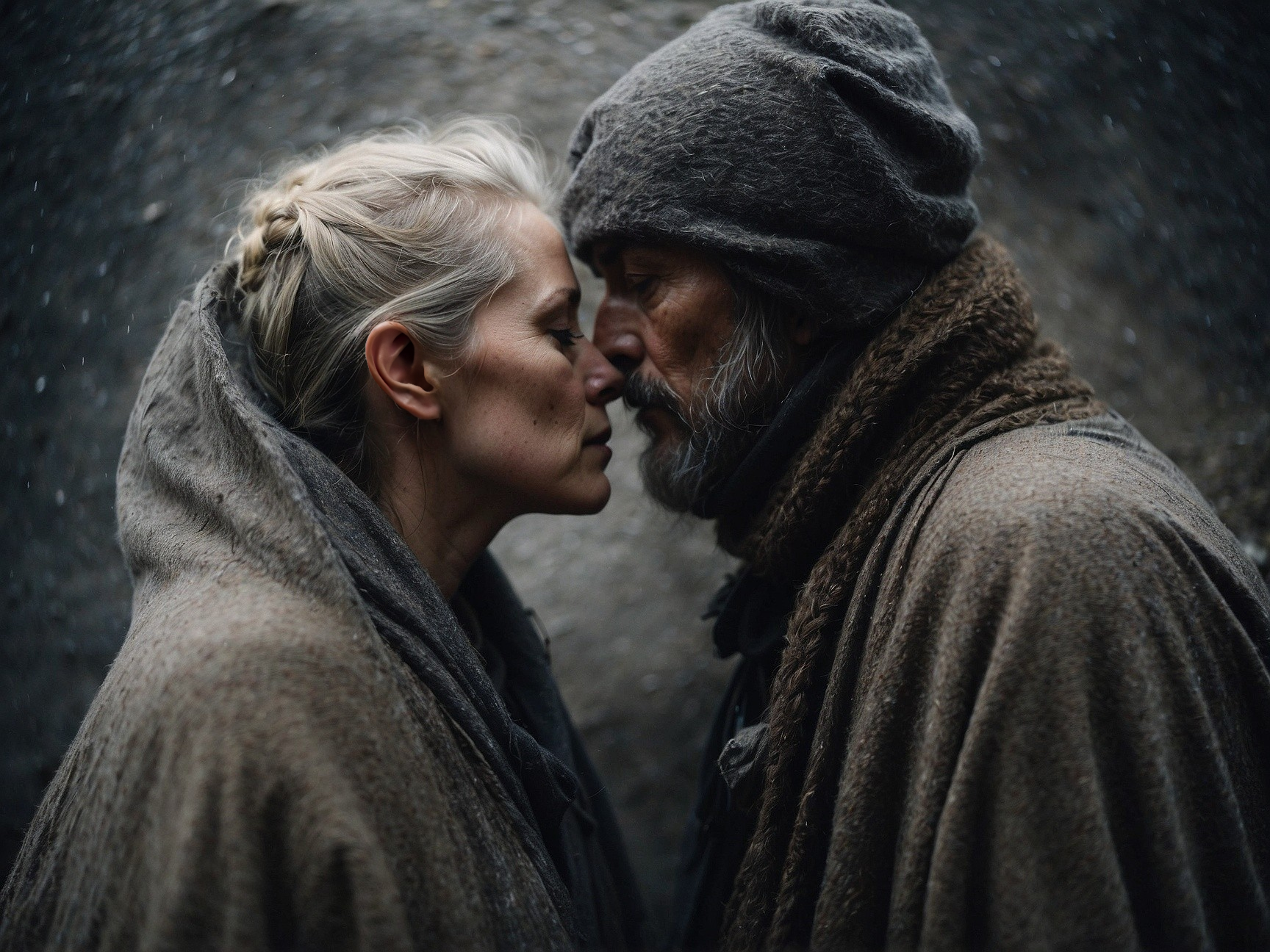
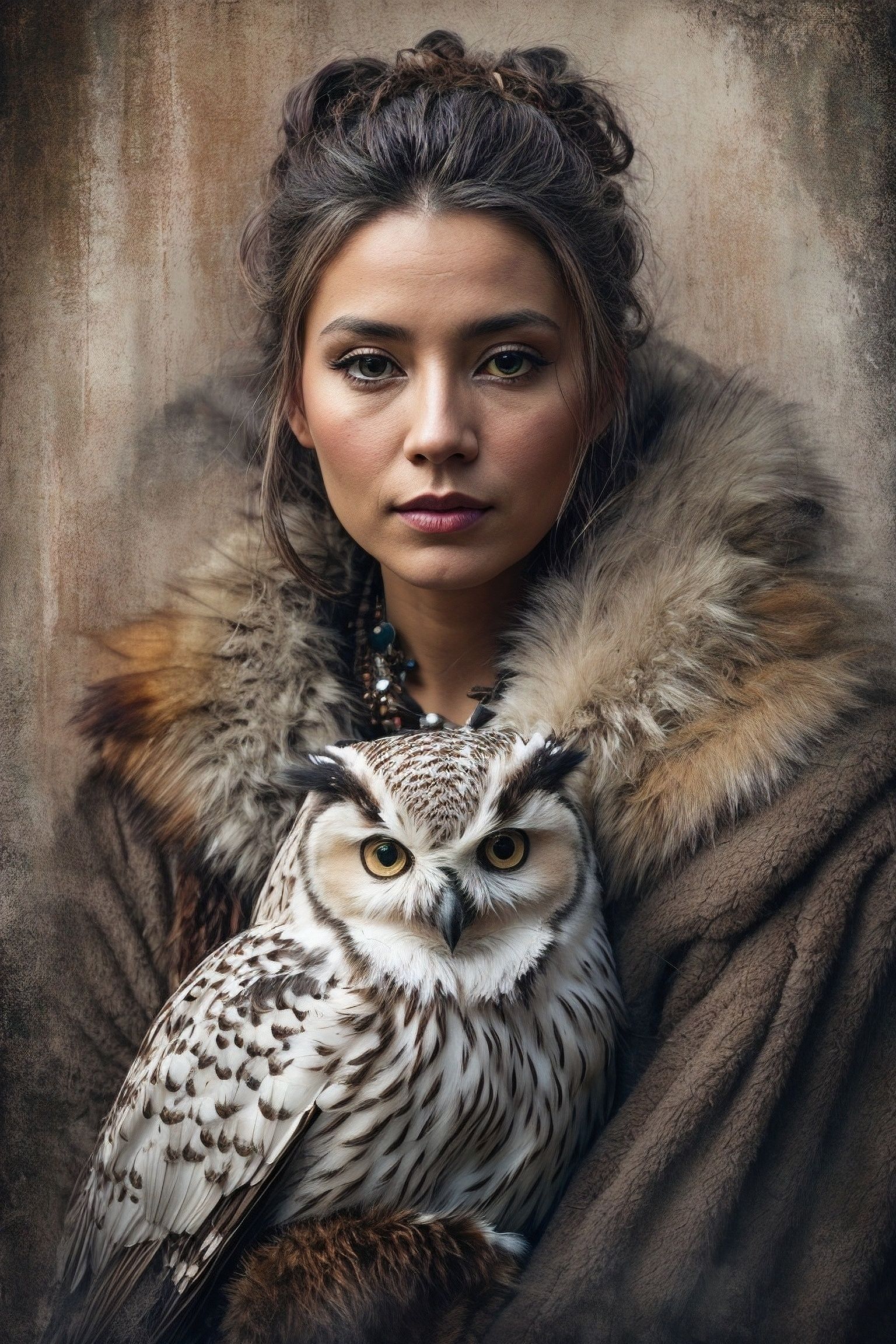
The Finnish people are an intriguing nation. Despite their modern, high-tech society, they maintain a strong connection to nature. It is not uncommon to find a Finn who prefers spending time in the expansive wilderness alone rather than socializing with others.
Personally, I have a deep fascination with the rugged, olden days and exploring the individuals who chose to live in extreme and harsh environments.